


04 Nov Postpartum Clinical Pilates in Sherwood Park: Pelvic Floor & Core Recovery
Clinical Pilates in Sherwood Park can support postpartum recovery by helping rebuild core strength, improve pelvic floor coordination, and restore movement control after pregnancy and childbirth. At Acceleration Physiotherapy, we offer individualized, physiotherapist-guided Clinical Pilates using reformer-based exercises to address postpartum pelvic health concerns, including abdominal muscle separation, pelvic floor dysfunction, and difficulty returning to exercise. Our treatment plans are tailored to your symptoms, recovery stage, and personal goals.

Common Postpartum Pelvic Health Concerns
Pregnancy and childbirth place additional demands on the pelvic floor, abdominal muscles, and surrounding tissues. Vaginal delivery can affect these structures, while a caesarean birth also involves recovery from abdominal surgery.
Some people experience postpartum pelvic health concerns such as:
- Urinary leakage: Leaking urine when coughing, sneezing, laughing, lifting, or exercising.
- Pelvic pressure or heaviness: Symptoms that may be associated with pelvic organ prolapse.
- Pelvic floor muscle dysfunction: Difficulty contracting, coordinating, or relaxing the pelvic floor muscles.
- Diastasis recti: Separation of the abdominal muscles following pregnancy.
- Pelvic, hip, or lower back discomfort: Pain or discomfort that affects daily activities, carrying your baby, or returning to exercise.
- Pain with intimacy: Discomfort that may be related to pelvic floor tension, scar sensitivity, hormonal changes, or other factors.
A pelvic health physiotherapy assessment can help identify your needs and determine which treatment approaches may be appropriate for your recovery.
What Is Clinical Pilates?
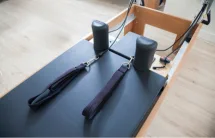
Clinical Pilates uses controlled movement, breathing, and targeted strengthening to improve stability, flexibility, balance, and movement control. Unlike general Pilates classes, Clinical Pilates is guided by a qualified healthcare professional and adapted to your individual rehabilitation needs.
At Acceleration Physiotherapy, we use a reformer machine with adjustable spring resistance to help tailor exercises to your current abilities and progress them as your strength and control improve.
Your physiotherapist can:
- Select exercises based on your symptoms, assessment findings, and recovery goals.
- Adjust resistance, positioning, and range of motion to suit your needs.
- Monitor your breathing, technique, and movement control.
- Progress exercises as your strength and tolerance improve.
- Incorporate Clinical Pilates into a broader pelvic health physiotherapy plan when appropriate.
Treatment takes place in our private treatment rooms, allowing your physiotherapist to provide individualized care in a comfortable, private setting.
How Can Clinical Pilates Support Postpartum Pelvic Health?
Clinical Pilates can complement postpartum rehabilitation by helping you gradually rebuild strength, coordination, and confidence. Your treatment plan will depend on your symptoms, assessment findings, and recovery goals.
1. Rebuilding Core Strength and Abdominal Control
Pregnancy stretches the abdominal wall, and some people develop diastasis recti, a separation between the two sides of the rectus abdominis muscles.
Clinical Pilates can help you:
- Improve abdominal muscle coordination and core control.
- Develop strength through controlled, progressive exercises.
- Practise managing abdominal pressure during movement.
- Build a foundation for lifting, daily activities, and returning to exercise.
The focus is on appropriate muscle function and movement control rather than simply performing more abdominal exercises.
2. Improving Pelvic Floor Coordination
The pelvic floor muscles need to contract, relax, and coordinate with breathing and movement. After childbirth, some people experience weakness, while others have difficulty relaxing these muscles or experience excessive tension.
Clinical Pilates may help you:
- Practise coordinating breathing, movement, and pelvic floor activity.
- Improve awareness and control of the pelvic floor muscles.
- Develop movement strategies that support everyday activities.
Your physiotherapist will determine whether your treatment should emphasize strengthening, relaxation, coordination, or a combination of approaches.
3. Supporting Bladder Control and Managing Pelvic Pressure
Urinary leakage and pelvic heaviness can affect your comfort and confidence when exercising, lifting your baby, or participating in everyday activities.
Clinical Pilates can complement pelvic floor physiotherapy by helping you:
- Improve coordination between the core and pelvic floor muscles.
- Practise managing abdominal pressure during movement.
- Develop control during activities that place demands on the pelvic floor.
Persistent urinary leakage or pelvic pressure may require additional pelvic health assessment and treatment alongside Clinical Pilates.
4. Improving Hip, Pelvic, and Lower Back Stability

Postpartum life involves frequent lifting, carrying, feeding, and prolonged periods in different positions. These activities can place repeated demands on the hips, pelvis, and lower back.
Reformer-based Clinical Pilates can help you:
- Strengthen the muscles that support the trunk, hips, and pelvis.
- Improve movement control and muscular endurance.
- Practise exercises that reflect your everyday physical demands.
- Build strength to support a gradual return to more demanding activities.
Your physiotherapist can adjust each exercise to your comfort and abilities while monitoring your technique.
5. Building Confidence for a Return to Exercise
Returning to exercise after childbirth can feel unfamiliar, even if you were active before or during pregnancy. A gradual, individualized approach can help you rebuild strength and confidence.
Depending on your assessment and goals, Clinical Pilates may help prepare you for:
- Lifting and carrying your baby more comfortably.
- Returning to gym workouts and resistance training.
- Progressing towards running and other higher-impact activities.
- Resuming recreational sports and activities you enjoy.
Your physiotherapist will help determine appropriate progressions based on your recovery, symptoms, and functional goals.
Frequently Asked Questions About Postpartum Clinical Pilates
How soon after giving birth can I start Clinical Pilates?
There is no single timeline that is appropriate for everyone. Your recovery will depend on factors such as your delivery, healing, symptoms, and previous health concerns.
A postpartum physiotherapy assessment at Acceleration Physiotherapy can help determine when Clinical Pilates may be appropriate for you and which modifications you may need. You do not have to wait until you experience symptoms to seek guidance about your recovery.
Is Clinical Pilates individualized?
Yes. At Acceleration Physiotherapy, your treatment is tailored to your assessment findings, symptoms, current abilities, and recovery goals. Our physiotherapists have certifications in Clinical Pilates and pelvic health physiotherapy, allowing them to adapt your exercises to your needs.
Sessions use a reformer machine with adjustable resistance, and treatment is provided in our private treatment rooms for individualized care.
Do I need pelvic floor physiotherapy as well as Clinical Pilates?
Clinical Pilates can be a useful component of postpartum rehabilitation, but it does not replace every aspect of pelvic floor physiotherapy.
Depending on your symptoms and assessment, your physiotherapist may recommend additional treatment for urinary leakage, pelvic organ prolapse symptoms, pelvic pain, scar sensitivity, or difficulty relaxing the pelvic floor. Your care plan will be tailored to the concerns that matter most to you.
Start Your Postpartum Recovery at Acceleration Physiotherapy
Postpartum recovery is different for everyone. With individualized guidance, Clinical Pilates can help you rebuild core strength, improve movement control, and work towards returning to the activities you enjoy.
At Acceleration Physiotherapy in Sherwood Park, our clinicians combine their certifications in Clinical Pilates and physiotherapy with reformer-based exercises and individualized treatment in our private treatment rooms.
Ready to take the next step in your postpartum recovery? Contact Acceleration Physiotherapy Sherwood Park to book your Clinical Pilates physiotherapy assessment.
No Comments